

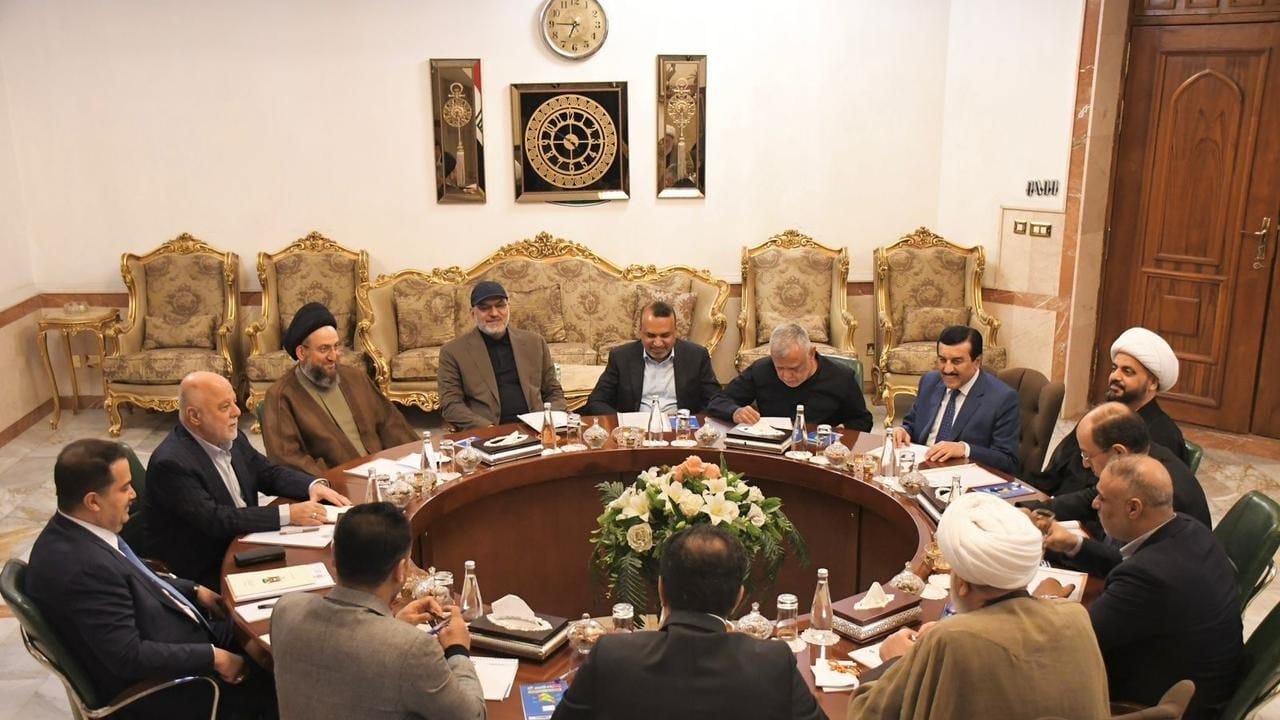
The Coordination Framework is facing a strategic dilemma following President Trump’s public warning on Truth Social against the selection of Nouri Al-Maliki as Iraq’s next prime minister. The intervention places the Shia coalition in an unenviable position, forcing it to weigh domestic legitimacy against the risk of serious external repercussions.
On the one hand, yielding to US pressure by withdrawing support for Maliki’s nomination would be politically unviable for the Coordination Framework. Such a move would reinforce the perception among its core constituency that it has capitulated to American interference in a sovereign national decision. For a bloc that has consistently framed itself as a defender of Iraqi independence and resistance to foreign meddling, appearing to fold under public US pressure would carry lasting reputational costs.
On the other hand, pressing ahead with Maliki’s candidacy carries its own risks. Insisting on his nomination in the face of a clear and public US veto raises the real possibility of punitive American measures. These could range from financial and banking pressure to political isolation, outcomes that would almost certainly exacerbate Iraq’s already fragile economic and institutional stability. The Coordination Framework therefore finds itself trapped between two damaging options.
The challenge is to identify a compromise that limits damage on both fronts: one that effectively concedes to US pressure while preserving the Framework’s claim to autonomy in deciding Iraq’s next prime minister.