

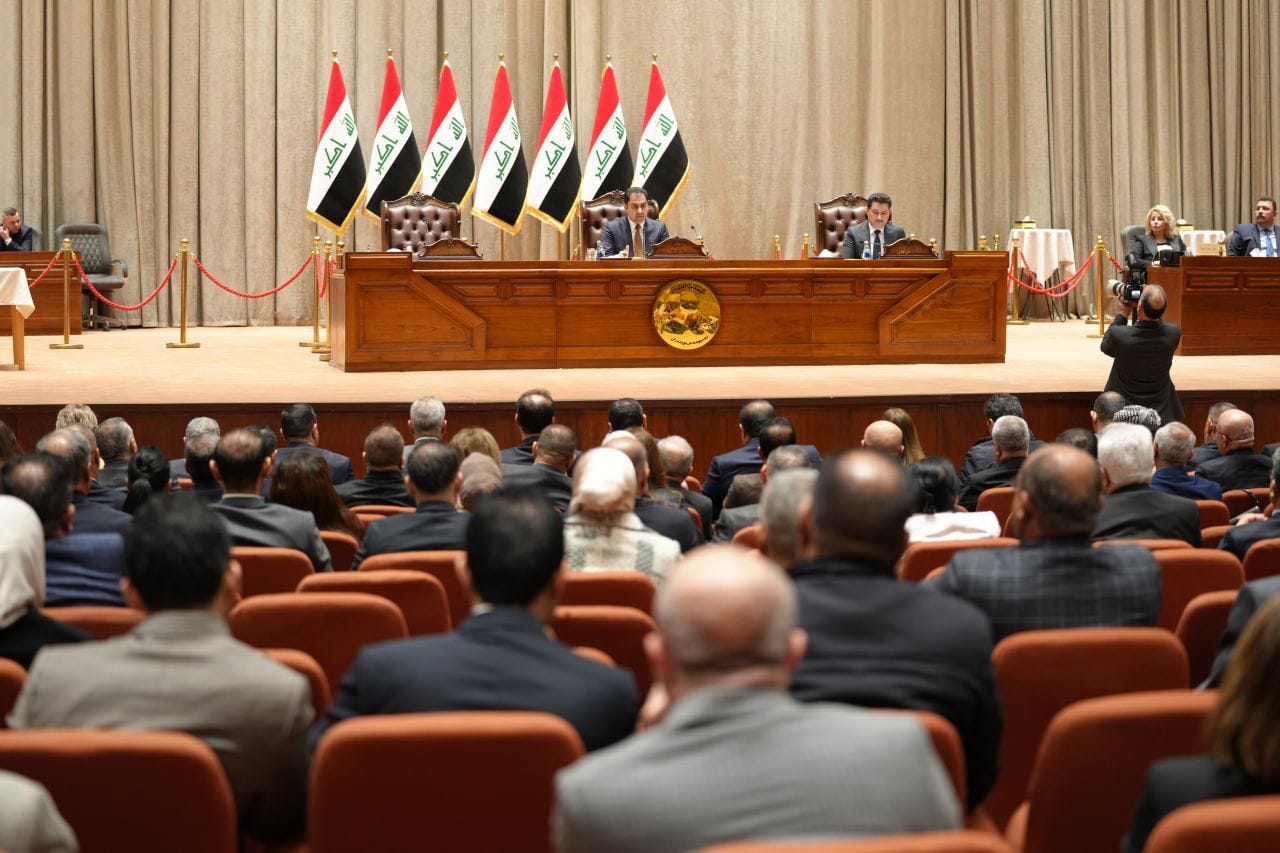
Parliament completed the first reading of an access to information bill on February 14. This legislation has been the subject of extensive debate among the political elite and civil society. Last year, PM Sudani ordered a committee to draw up recommendations on a draft bill.
Below is an overview of the key provisions of the draft bill.
The “Right to Access Information Law” lists the following stated objectives of the bill:
Empower citizens to access information in accordance with the law
Promote greater transparency on the work of state institutions
Support awareness-building on accountability and oversight
Support scholarly research
Strengthen freedom of the press and freedom of expression
The Human Rights Commission is the oversight body that will be responsible for ensuring the implementation of the law, and will be required to establish an information department that produces annual reports and undertakes training on how to access information including for NGOs.
All Iraqi citizens have the right to access information in accordance with the provisions of the law. Foreign residents can also make information requests but the conditions are more stringent and require reciprocity from the foreign country.
Access to information requests should be submitted to the state institution in question, which will appoint an employee to deal with requests. Requests should be considered within 5 days of submission, and information requests that are approved by the person delegated with authority should then be made available within 15 days.
The types of information that do not apply to this law are broad and include the following:
National security matters
Internal government correspondences
Documents that are classified as confidential
Personal information except that which concerns the person making the request
Information that would violate intellectual property rights
Information that pertains to an ongoing judicial investigation
Each institution should have a committee that reviews information requests that have been denied, and this should be done within 30 days of a denied request. Decisions can be appealed in an administrative court.
Fees that apply to information requests or appeals should be set by the Human Rights Commission.
All state institutions are required to publish the following information with the exception of military and security institutions:
Internal bylaws, regulations and institutional structure
Job descriptions
Administrative decisions that affect citizens
Procedural information on how to submit access to information requests
Annual performance reports
Budgets and financial statements
Institutional asset disclosures
Employment and hiring regulations
A list of the institution’s completed and ongoing projects
Penalties apply for violations to the access to information law including up to one year imprisonment and/or a fine for the following:
Disclosing information that is restricted in accordance with this law
Denying information requests or delaying them without a justifiable reason
Disclosing incorrect information
The draft bill will be debated in parliament once the parliamentary culture and media committee deliberates over the text of the bill and releases its report. Debate over this bill is likely to be highly contentious given the sensitivity of the matter and it is expected that civil society organizations will also voice their views on the provisions of the bill.